
- Hard water contains high levels of dissolved minerals like calcium and magnesium that leave a filmy residue on your body.
- These minerals strip away natural oils, disrupting your skin barrier and leading to chronic dryness or irritation.
- Your hair can become brittle, dull, and prone to breakage because moisture cannot penetrate the mineral buildup.
If you regularly deal with dry skin or dull hair despite using expensive products, the culprit might be flowing right out of your showerhead. Many people find themselves wondering, “Is hard water bad for you?”, especially after noticing a sudden drop in their skin and hair hydration levels.
Affiliated Dermatology® understands how frustrating it can be to battle constant irritation, which is why we want to help you understand how your home water supply impacts your daily self-care routine.
What Exactly is Hard Water?
Water is classified as hard when it contains high concentrations of dissolved minerals, particularly calcium and magnesium. As groundwater travels through limestone and chalk deposits, it naturally picks up these elements.
While drinking these minerals is generally safe and can even contribute to your daily nutrient intake, washing with them is a completely different story. The high mineral content alters how water interacts with cleansers, making it difficult to create a rich lather and changing how effectively products rinse off your body.
Is Hard Water Bad for Your Skin? Understanding the Mineral Barrier
When you look at whether hard water is bad for your skin, the answer lies in how these minerals interact with your body chemistry. Calcium and magnesium bind with the fatty acids in your soaps and body washes.
Instead of rinsing away cleanly, this combination creates a soap scum residue. This filmy layer sits directly on top of your stratum corneum, which is the outermost layer of your skin barrier. This barrier is supposed to lock moisture in and keep irritants out, but the mineral buildup compromises its integrity and leaves your skin vulnerable.
Common Hard Water Effects on Skin: From Dryness to Irritation
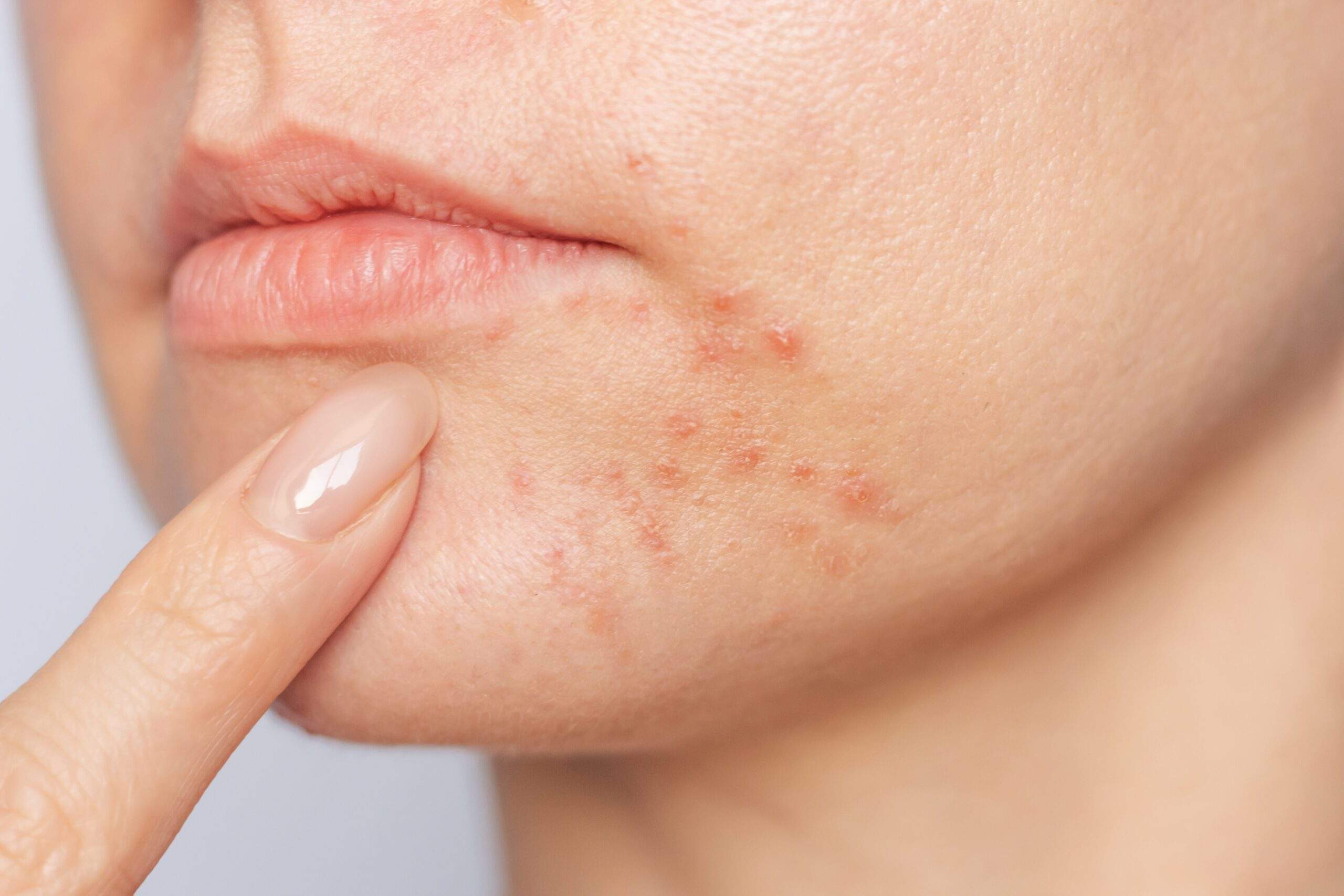
The most immediate hard water effects on skin include persistent dryness and a tight feeling after showering. Because the mineral film clogs pores and traps bacteria, it can trigger or worsen conditions like eczema and acne. You might notice your skin feels itchy, flaky, or red. The soap scum also saps natural moisture, meaning your expensive lotions cannot penetrate effectively to do their job, leaving you stuck in a cycle of constant dehydration.
Is Hard Water Bad for Your Hair? Identifying Brittle Strands and Scalp Issues
Just like it affects your face and body, you will find that hard water can be bad for your hair over time. The minerals deposit along the hair shaft, lifting the cuticle and preventing moisture from entering. This results in straw-like, brittle strands that tangle easily and break frequently.
Your scalp can also suffer, becoming dry and flaky, which is often mistaken for dandruff. Furthermore, if you color your hair, these minerals can cause your expensive dye job to fade rapidly or turn brassy.
How to Protect and Repair Your Skin and Hair
Fortunately, you can take steps to mitigate these effects. Installing a water softener is the most permanent solution because it removes calcium and magnesium entirely. If that is not an option, a chelating shampoo can help strip mineral buildup from your strands.
For your skin, switch to gentle, non-soap cleansers that do not react as harshly with minerals, and always apply a rich moisturizer immediately after bathing while your body is still damp.
When to See a Dermatologist for Hard Water Damage
If you have adjusted your routine and still experience severe itching, bleeding cracks, or flaking skin, it is time to seek professional help. A dermatologist or specialist can evaluate whether an underlying skin condition has been exacerbated by your water supply.
Affiliated Dermatology® can prescribe targeted topical treatments to repair your compromised barrier and help you develop a medical-grade skincare routine to counteract the harsh elements in your environment.
Contact our team today to learn more about protecting your skin health or to schedule an appointment.
Crédito de la imagen: // Shutterstock // Naypong Studio