
- Hormonal shifts after delivery, specifically rapid drops in estrogen and progesterone, trigger temporary skin changes like hives, dryness, and itching.
- Postpartum hives and skin reactivity often stem from immune system recalibration during the fourth trimester.
- Safe, effective treatments include gentle topical barrier repair, hydration, and guidance from a board-certified dermatologist.
Postpartum skin changes begin the moment estrogen and progesterone levels plummet following delivery, leading to unpredictable shifts in barrier function and immune response. Affiliated Dermatology® offers specialized care to help new mothers navigate these sudden skin transformations during the fourth trimester. Caring for a newborn while managing unexpected skin irritation can feel overwhelming, but understanding the underlying biology makes restoring your skin much more manageable.
Common Postpartum Skin Changes: What to Expect After Delivery
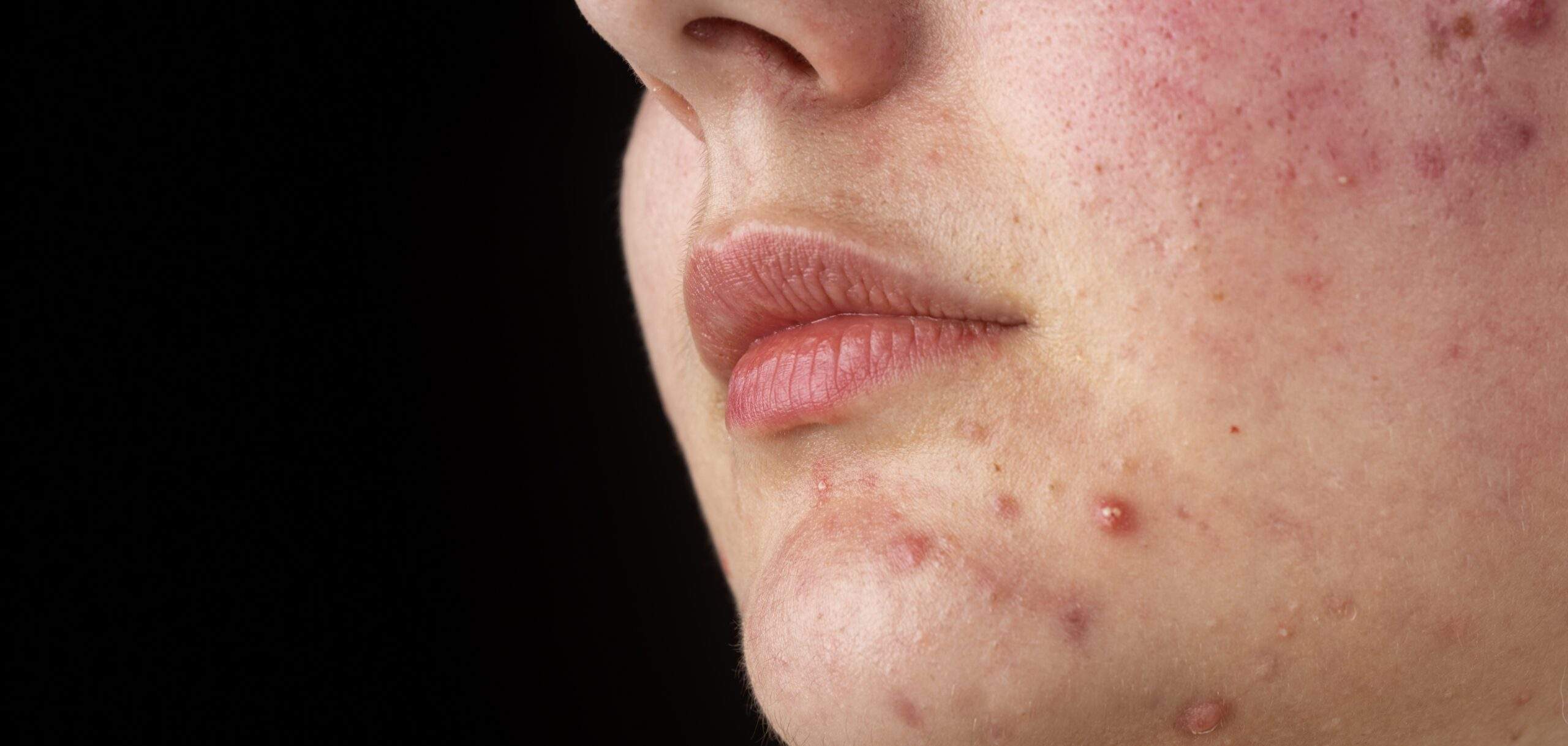
Hormonal readjustments after childbirth directly alter fluid balance, oil production, and skin cell turnover. Shortly after delivery, your body undergoes significant hormonal shifts that affect the outermost layer of your skin. These sudden fluctuations frequently manifest as dry patches, increased sensitivity, acne breakouts, and generalized itching. Knowing that these skin issues are standard physical responses helps you take proactive steps toward relief.
Understanding Postpartum Hives: Causes and Relief
Postpartum hives stem from acute histamine releases triggered by hormonal drops, physical stress, and immune system recalibrations after labor. This sudden immune activity leads to raised, red, or itchy welts on various parts of the body. Relief relies on calm, supportive measures like applying cold compresses, wearing loose cotton clothing, and using mild, scent-free cleansers. If hives persist, professional dermatological guidance ensures you receive safe options that will not interfere with nursing.
Why You Experience Dry Skin After Pregnancy
Dry skin after pregnancy occurs when falling estrogen levels reduce your body’s natural production of sebum and hyaluronic acid. Estrogen plays a critical role in maintaining skin hydration and elasticity. As these hormone levels decline during early motherhood, the skin barrier loses moisture rapidly. Applying thick, fragrance-free ceramides immediately after bathing seals in hydration and helps rebuild the skin barrier.
Managing Itchy Skin Postpartum: Is It Normal?
Itchy skin postpartum is a widespread condition caused by stretching during pregnancy, fluid retention shifts, and hormone fluctuations. As tissue retracts and hydration levels adjust, nerves in the skin become far more sensitive. Gentle skin-soothing practices, such as taking lukewarm baths with colloidal oatmeal and avoiding harsh soaps, reduce irritation significantly while your body recovers.
Hormonal Triggers and Your Postpartum Skin Recovery
Postpartum skin recovery relies heavily on the steady stabilization of your hormonal profile and immune baseline over several months. Research indicates that estrogen drops to pre-pregnancy baseline levels within days after birth, causing a temporary reduction in collagen synthesis. While your internal system recalibrates, maintaining a consistent, protective skin care routine supports your skin’s natural healing trajectory.
Safe Treatments for Postpartum Skin Concerns
Safe postpartum treatments focus on gentle barrier repair, intense hydration, and non-irritating topical ingredients. Avoiding aggressive exfoliants, synthetic perfumes, and unverified active ingredients protects vulnerable skin while keeping breastfed infants safe. Simple formulations featuring hyaluronic acid, glycerin, and petrolatum yield consistent, safe relief for reactive postpartum skin.
Consult a Specialist at Affiliated Dermatology
Professional care provides targeted, safe solutions tailored specifically to your post-pregnancy needs. Our team evaluates your skin concerns to build a safe treatment plan that fits seamlessly into your life as a new mother. Schedule a consultation with our team today to receive compassionate, personalized care for your skin.
Crédito de la imagen: // Shutterstock // Leszek Glasner