- El bakuchiol es un ingrediente totalmente natural de origen vegetal que puede ayudar a rejuvenecer la piel madura.
- El bakuchiol y el retinol tienen efectos similares, pero hay algunas diferencias clave.
- ¡Las cremas antienvejecimiento que contienen bakuchiol o retinol pueden ayudar a reducir las arrugas y a uniformar el tono de la piel, para lograr un aspecto más saludable y juvenil!
Hay muchos productos para el cuidado de la piel que pueden ayudar a que la piel madura luzca más radiante y joven. El retinol es un ingrediente para el cuidado de la piel que existe desde hace décadas, y muchas personas confían en sus beneficios antienvejecimiento. Últimamente, se habla mucho de un nuevo ingrediente llamado bakuchiol. Esta alternativa de origen vegetal afirma tener el mismo efecto en la piel que el retinol. Analicemos más de cerca el bakuchiol y el retinol, y comparemos sus beneficios para que puedas tomar la decisión adecuada para tu piel.
Bakuchiol frente a retinol: una comparación detallada
En primer lugar, comencemos con una comparación básica. El bakuchiol es un compuesto vegetal natural con propiedades antioxidantes. Se aplica sobre la piel de forma tópica y puede rejuvenecerla, aumentar su elasticidad, suavizar las arrugas y unificar el tono de la piel.
El retinol, por otro lado, es un derivado químico de la vitamina A. También se aplica sobre la piel de forma tópica y se utiliza para ayudar a renovar la piel, revirtiendo los efectos visibles del fotoenvejecimiento, como las arrugas, la textura áspera de la piel, las manchas solares, la flacidez y el tono apagado.
Tanto el bakuchiol como el retinol prometen ofrecer beneficios similares, así que, ¿cómo saber cuál usar?
¿Qué es el retinol y qué beneficios aporta a la piel?
El retinol es un derivado de la vitamina A que es clínicamente probado para acelerar la renovación celular, lo que con el tiempo puede dar lugar a un tono de piel luminoso y uniforme. Es un ingrediente presente en muchos productos antienvejecimiento de venta libre para el cuidado de la piel. Con un uso constante, puede mejorar gradualmente las líneas de expresión y las arrugas, las manchas, la textura irregular de la piel y otros signos de fotoenvejecimiento.
Las personas con piel sensible pueden experimentar efectos secundarios al usar retinol, como irritación, enrojecimiento y brotes de eccema. El retinol también aumenta la sensibilidad de la piel a los rayos UV del sol, por lo que debe usarse junto con un protector solar para evitar el daño solar. Se recomienda aplicarlo por la noche sobre la piel limpia y seca.
¿Qué es el bakuchiol? Explicación de esta alternativa de origen vegetal
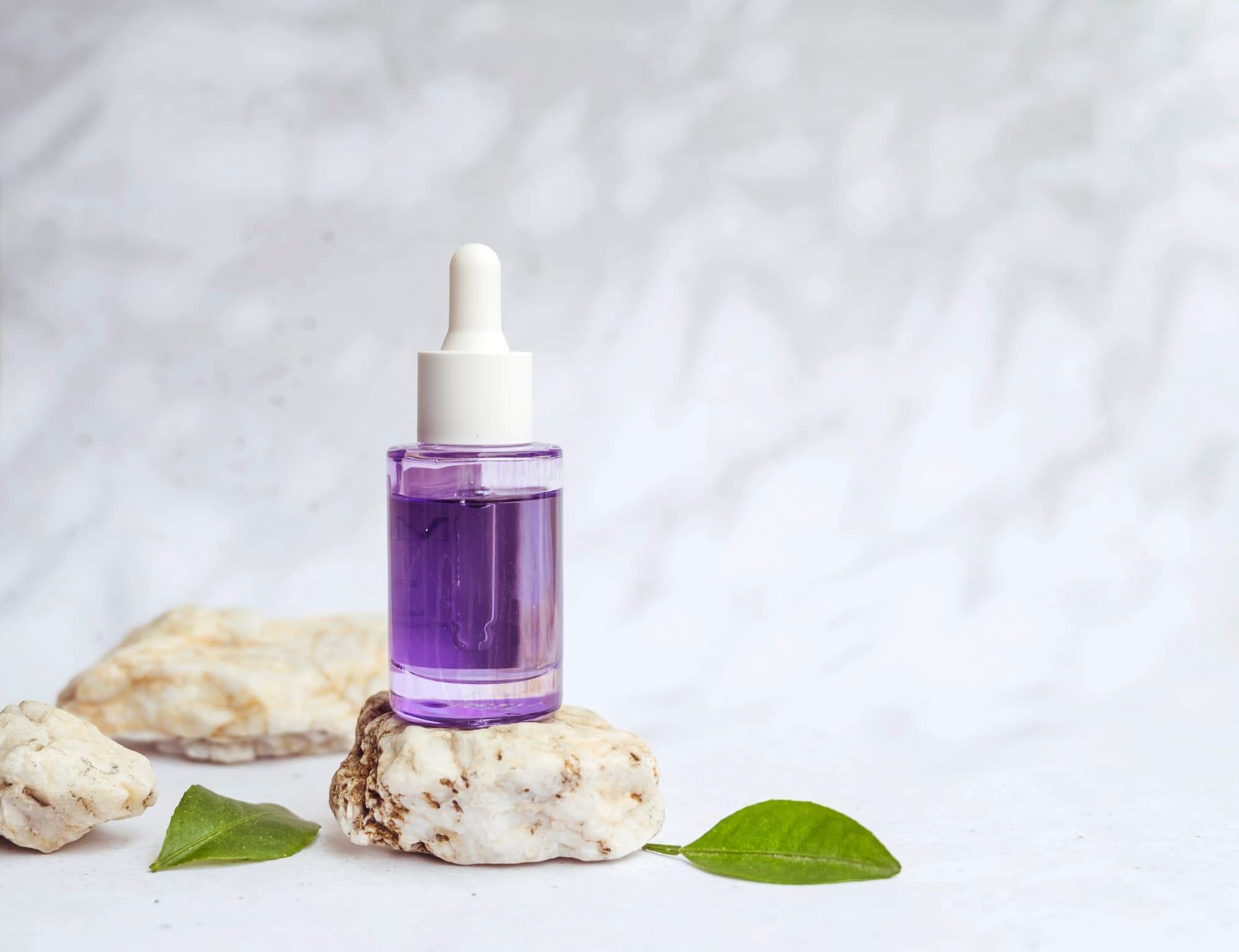
El bakuchiol es un aceite que se extrae de las semillas de la planta de babchi. Al igual que el retinol, este ingrediente para el cuidado de la piel ayuda a las células cutáneas a regenerarse, lo que puede dar como resultado una piel más suave y de aspecto más joven. Es más suave que el retinol y es adecuado para todo tipo de pieles, incluidas las sensibles. No aumenta la sensibilidad de la piel al sol, y su uso constante no reseca ni irrita la piel. Dado que se trata de un producto relativamente nuevo, los científicos aún están determinando si tiene efectos secundarios. Hasta el momento, no parece haber ninguno.
¿Es el bakuchiol tan eficaz como el retinol para combatir el envejecimiento?
El bakuchiol y el retinol actúan de formas ligeramente diferentes. Cuando se aplica el retinol, el cuerpo lo transforma en ácido retinoico, que se une a unos receptores que estimulan la producción de colágeno y elastina. El bakuchiol, por su parte, actúa activando los genes implicados en la síntesis de colágeno y, al mismo tiempo, refuerza la defensa antioxidante de la piel, lo que puede reducir la inflamación. Aunque tienen funciones distintas y son ingredientes diferentes, ambos aportan beneficios antienvejecimiento similares a la piel.
Es posible que el retinol actúe más rápido que el bakuchiol, ya que este último es un ingrediente más suave.
Por otro lado, algunas personas prefieren el bakuchiol porque es más adecuado para la piel sensible y es un producto de origen vegetal. El retinol puede ser apto para veganos, pero a menudo contiene subproductos de origen animal.
Encuentra tu rutina personalizada de cuidado de la piel en Affiliated Dermatology
En última instancia, depende de ti decidir si usas retinol o bakuchiol para reducir los efectos del envejecimiento en tu piel. Ahora que conoces los datos sobre cada ingrediente, puedes elegir un producto que se adapte a tu piel y a tu estilo de vida.
Si buscas servicios especializados en el cuidado de la piel, concertar una cita con uno de nuestros dermatólogos. ¡Ofrecemos una amplia gama de servicios para el cuidado de la piel y podemos ayudarte a encontrar la rutina personalizada que te dé un aspecto radiante y saludable!
Fotógrafo: Boryana Manzurova / Shutterstock